Earth Science · ESS-018
The Sun and the Life Cycle of Stars
Look inside the Sun, then change a star’s mass. How long does it shine, and which elements does it make?
- NGSS HS-ESS1-1
- NGSS HS-ESS1-3
Included with a subscription. Create a free account to get started.

About this lab
Inspect a cutaway Sun and follow model stars through their evolution. This interactive 3D experiment lets high school students choose internal layers, set a stellar mass, run the lifetime sequence, and examine the successive stages in the massive-star core. Temperature and energy-transport readings accompany a solar fuel account. The stellar comparison records luminosity, modeled main-sequence duration, and outcome for the selected mass, with a reference table available for comparison. A core lens displays the net fusion process and the advanced-burning sequence, connecting energy observations with the changing structure and eventual dispersal of material. The investigation is aligned with NGSS HS-ESS1-1 and NGSS HS-ESS1-3.
What this investigation asks
A star's available fuel and the rate it uses that fuel both influence its lifetime. This investigation follows solar energy from the core, compares stars of different masses, and connects those comparisons to evolutionary outcomes. Begin by distinguishing present luminosity, energy-transfer time, and lifetime. A brighter star can have more fuel yet a shorter main-sequence lifetime because its consumption rate rises more strongly. The goal is to explain those different time scales and the mass-dependent sequence rather than assuming that a larger star must simply live longer than every smaller one.
Design and measure the comparison
Follow the Sun's represented layers and record how energy moves through the radiative and convective regions before leaving the photosphere. Compare that internal journey with the much shorter light-travel interval to Earth. Retain whether a stated number is a model estimate, a listed reference, or a directly derived ratio. For the mass comparison, change the stellar mass setting and inspect luminosity, temperature, and lifetime together. A color or size change alone does not quantify the total rate of energy emission without the corresponding modeled stellar properties.
Connect the record to the model
Use luminosity and the mass-energy relationship to estimate the mass-equivalent conversion rate, then connect available fuel and the course's consumption model to a lifetime estimate. These are related calculations with different inputs. Compare the selected stars on the supplied H-R representation and distinguish temperature from luminosity. The course gives different later paths for solar-like, low-mass, and more massive stars. A star's position changes through its evolution, so an apparent brightness or temperature at one stage is not by itself a complete classification of its eventual remnant.
Interpret the evidence and its limits
Retain the simplified mass-luminosity and lifetime relations when comparing model values with stellar reference models. A ratio based on rounded displays can differ from one computed with continuous values. Nuclear fusion, interior transfer, and light reaching an observer are different parts of the energy account, not one uninterrupted short travel event. A final explanation should identify mass, evolutionary stage, luminosity, and the time-scale definition used. Avoid turning one selected formula into an exact prediction for every composition, rotation history, or interacting star outside the course's stated comparison.
Reference conditions and quantities
The solar reference gives luminosity 3.827532 × 10²⁶ W and mass-equivalent conversion rate 4.258704 × 10⁹ kg/s. Its listed light-travel interval to Earth is 499.005 s. These describe different quantities and stages of the account; the short external travel interval does not replace the much longer modeled transfer through the solar interior.
Use the record to test your explanation
Write a prediction before collecting the comparison, naming the quantity that should change and the condition you will alter. Keep a reference run and vary one factor at a time when the question calls for a controlled test. Record the selected apparatus settings, units, and measurement interval. Where an activity supplies Ideal and Real modes or seeded variation, retain that identity with each record rather than mixing incompatible runs in one calculation.
Separate an instrument reading or counted observation from the model relationship used to explain it. Keep raw values alongside derived results so another student can reconstruct the argument. A graph needs labeled axes and a stated comparison range. If a result differs from a reference, inspect the conditions, rounding, and measurement procedure before changing the explanation.
For a classroom discussion, compare claims supported by the same evidence and identify an additional measurement that would distinguish competing accounts. Finish with a claim, the relevant observations, and reasoning tied to this course's model. State a specific limitation instead of assigning a general error label to every disagreement.
Related investigations
Compare spectral temperature evidence in Stellar Spectra & Redshift, then inspect nuclear accounting in Decay, Fission & Fusion. Keep observed spectrum, current energy output, and an inferred evolutionary lifetime as distinct pieces of evidence.
Common questions
Standards alignment
- NGSS HS-ESS1-1
- NGSS HS-ESS1-3
More Earth Science labs
- Members
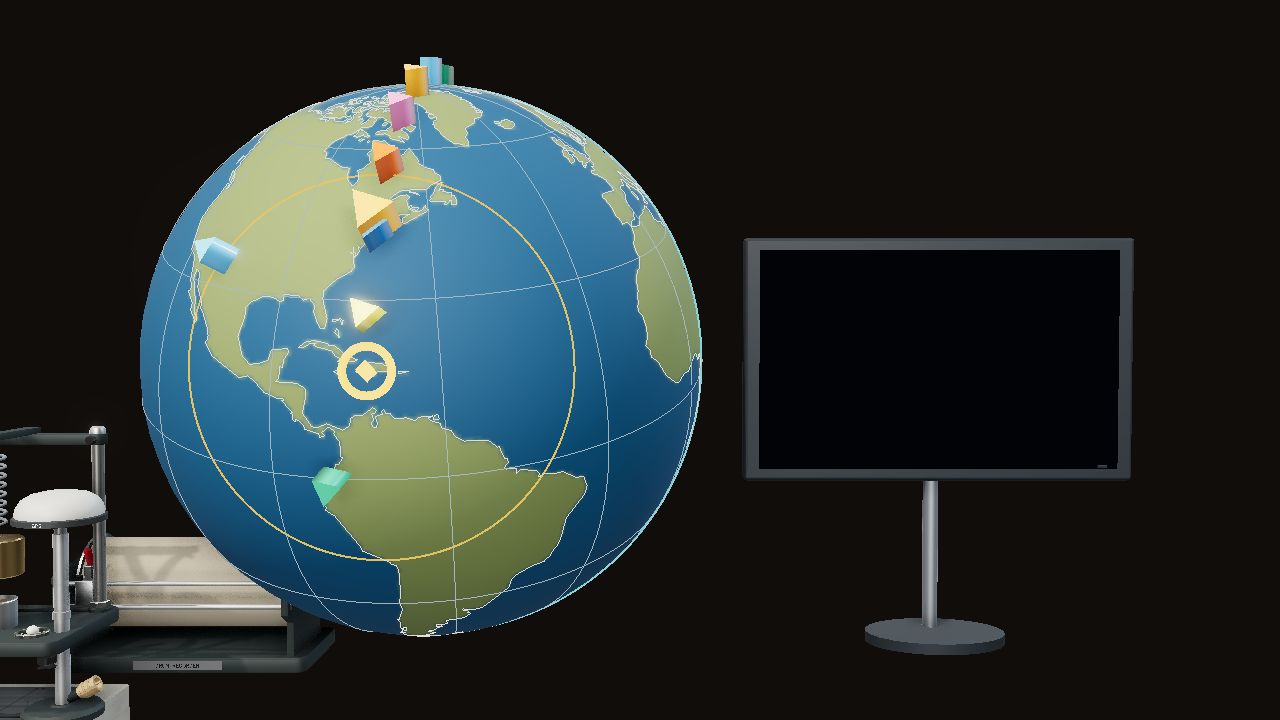
Earth Science
Earthquake Epicenter
Seismometers find where a quake started — and what lies deep inside Earth.
- Members
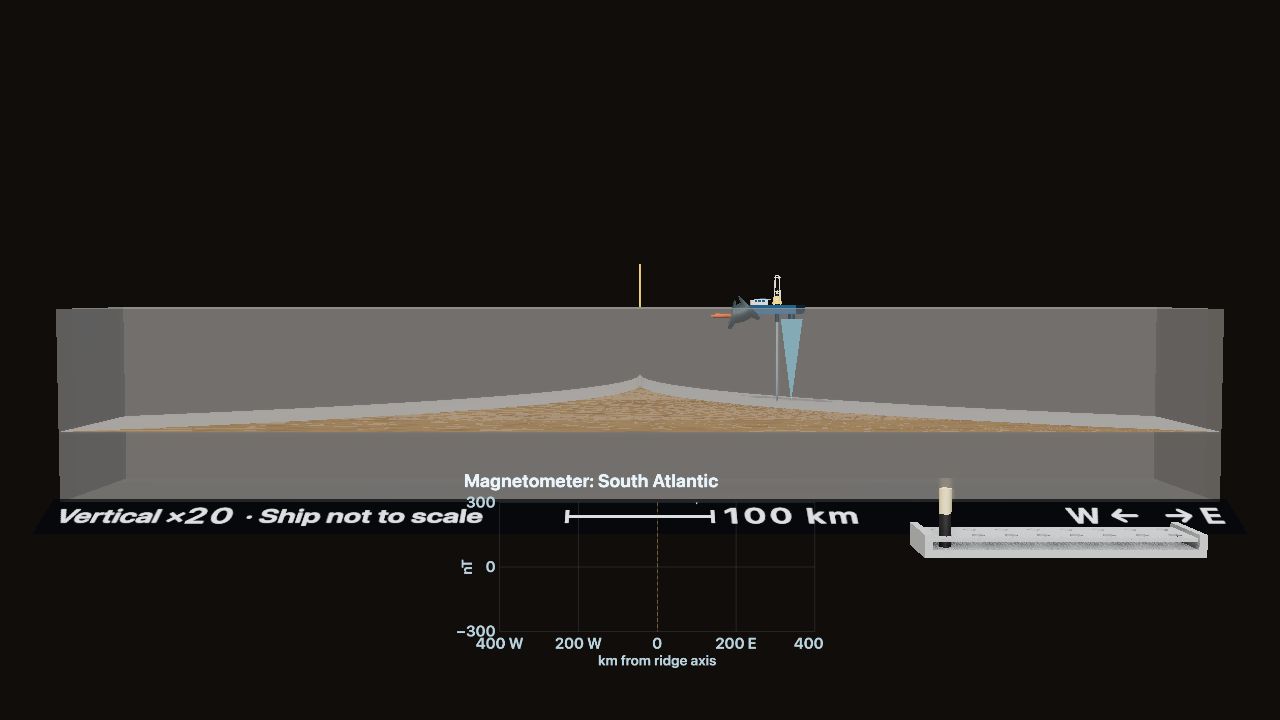
Earth Science
Seafloor Spreading & Plate Boundaries
Tow a magnetometer and drill cores across a mid-ocean ridge. What record do the seafloor rocks keep?
- Members
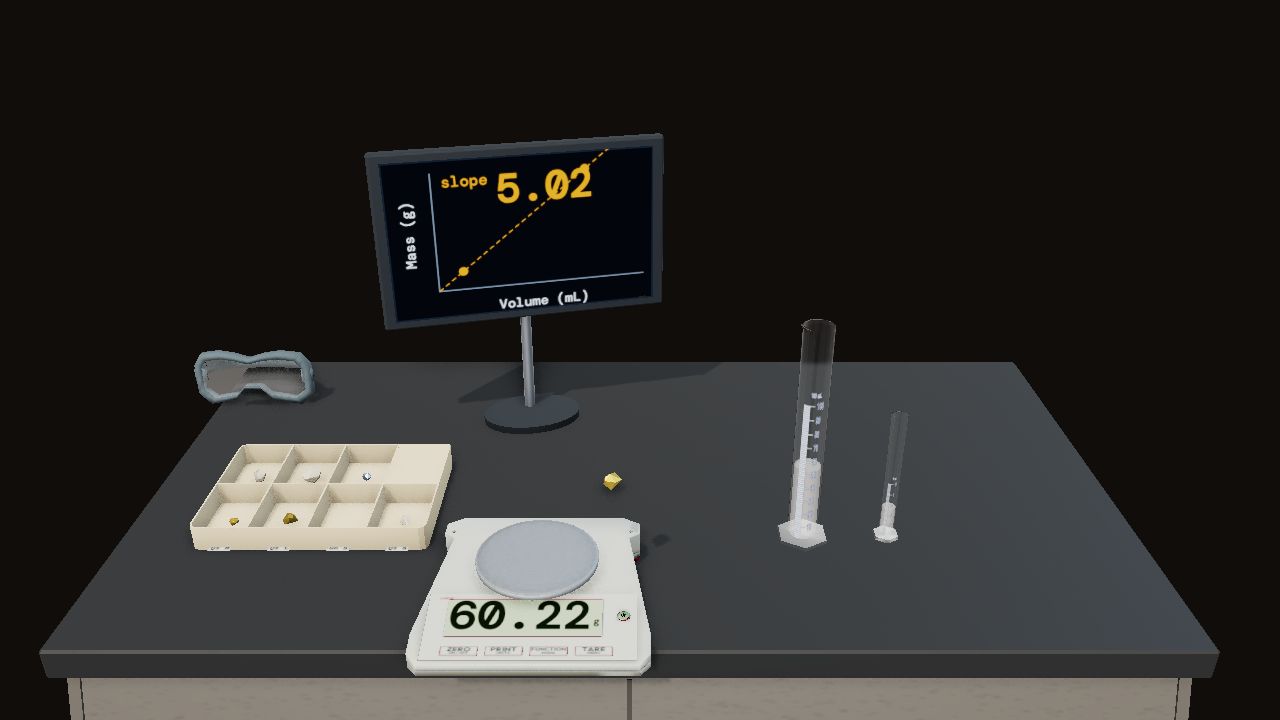
Earth Science
Mineral & Rock Identification
Scratch, streak, and split unknown specimens. Name the mineral, then the rock.


